
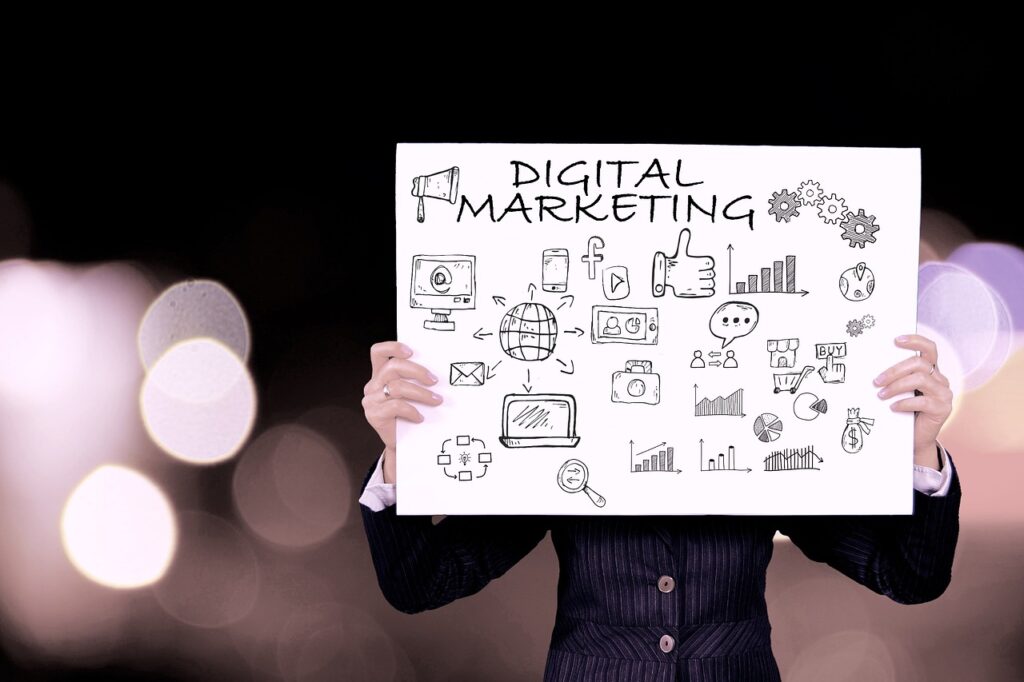
The Essentials of Building a Successful Digital Marketing Strategy
In the rapidly evolving digital landscape, building a successful digital marketing strategy is crucial for brands and businesses aiming to thrive online. With countless platforms, changing consumer behaviors, and new technologies emerging regularly, a thoughtfully crafted strategy is no longer optional but a necessity. Whether you are a small startup or an established enterprise, having a clear roadmap for your digital efforts can maximize your reach, engagement, and conversions. This blog delves into the essentials that form the foundation of a winning digital marketing strategy. Setting Clear and Measurable Goals The cornerstone of any successful strategy lies in defining clear objectives. What do you want your digital marketing efforts to achieve? Common goals include increasing brand awareness, boosting website traffic, generating qualified leads, enhancing customer retention, and driving online sales. However, simply stating these goals is not enough—they must be measurable and time-bound. Employ the SMART goal framework (Specific, Measurable, Achievable, Relevant, Time-Bound) to ensure your objectives are realistic and trackable. For example, instead of “increase website traffic,” a SMART goal would be “increase organic website traffic by 25% over the next six months.” Comprehensive Audience Understanding Knowing your target audience deeply is fundamental to marketing success. Conduct thorough market research to gather data on demographics, preferences, pain points, motivations, and online behaviors. Tools like Google Analytics, social media insights, and customer surveys can offer invaluable data. Creating detailed buyer personas synthesizes this information, enabling you to visualize your ideal customers. This clarity allows you to tailor your messaging, select appropriate channels, and design user experiences that resonate, ultimately leading to higher engagement and conversions. Selecting the Right Digital Channels Digital marketing encompasses a wide range of channels—from search engines and social media platforms to email marketing and influencer collaborations. However, not all channels will suit every business or audience segment. Analyze where your potential customers spend the most time and how they prefer to consume content. For instance, a B2B company might focus on LinkedIn and email campaigns, while a fashion brand may thrive on Instagram and TikTok. Prioritizing the right channels ensures your efforts and budget are focused for maximum impact rather than spreading thin across every possible platform. Content Strategy: The Heart of Digital Marketing Content remains king in digital marketing. Crafting relevant, valuable, and engaging content helps educate your audience, build trust, and establish brand authority. Diversify your content forms to cater to different preferences—blogs for in-depth information, videos for visual storytelling, infographics for quick facts, and social media posts for timely engagement. Quality should trump quantity; consistently publishing well-researched, insightful content will outperform sporadic, low-value posts. Additionally, making your content shareable amplifies reach organically through audience networks. SEO: Enhancing Organic Visibility Search Engine Optimization (SEO) is critical for driving sustainable organic traffic. Start with keyword research to identify search terms your target audience uses, and integrate them naturally into your website content, meta tags, and headers. Beyond on-page SEO, pay attention to technical SEO factors such as site speed, mobile-friendliness, and proper URL structures. Building credible backlinks and maintaining fresh content also help improve your search rankings. A strong SEO foundation ensures your brand appears prominently when potential customers actively seek your products or services. Harnessing the Power of Paid Advertising While organic strategies build long-term equity, paid advertising delivers immediate visibility and targeted reach. Platforms like Google Ads and Facebook Ads offer robust targeting options based on demographics, interests, and behaviors. Paid campaigns complement organic efforts by driving traffic, lead generation, and sales more quickly. It’s essential to align your ad creatives, landing pages, and calls-to-action with your campaign goals. Regular monitoring and adjustment of bids, budgets, and audience segments help optimize return on ad spend (ROAS), ensuring efficient budget utilization. Data-Driven Measurement and Optimization A digital marketing strategy without measurement is like sailing without a compass. Use analytics tools such as Google Analytics, Facebook Insights, and marketing automation dashboards to track key performance indicators (KPIs) aligned to your goals. Metrics might include website traffic, bounce rates, conversion rates, cost per acquisition, and engagement levels. Reviewing this data regularly reveals what’s working and what’s not, empowering you to make informed adjustments. Continuous optimization based on real-time data improves campaign effectiveness and maximizes ROI over time. Fostering Engagement and Building Relationships Digital marketing isn’t just about broadcasting messages; it’s about creating two-way interactions. Engaging with your audience through comments, social media messages, reviews, and emails nurtures trust and loyalty. Personalized communication, timely responses, and providing value beyond sales pitches help turn prospects into advocates. Building strong client relationships through consistent, meaningful engagement drives repeat business and referrals, enhancing your overall brand reputation. Leveraging Marketing Automation Automation tools have revolutionized how marketers manage repetitive tasks, enabling efficiency and scalability. Automated email workflows nurture leads at different buying stages, while social media scheduling tools maintain consistent posting without manual effort. Automation platforms also facilitate lead scoring, segmentation, and personalized messaging at scale. By integrating CRM systems with marketing automation, businesses can orchestrate seamless customer journeys that feel personalized yet highly scalable. Agility and Adaptability in a Dynamic Environment The digital marketing landscape is in constant flux. New technologies, platforms, algorithms, and consumer behaviors emerge regularly. Remaining agile by continuously learning industry trends, testing new tools, and being ready to pivot your strategy is essential. Experimentation with new content formats, advertising channels, or targeting options can uncover opportunities that keep you ahead of competitors. Flexibility coupled with data-driven decision-making allows your strategy to evolve and maintain relevance. In conclusion, building a successful digital marketing strategy requires a holistic approach encompassing clear goal setting, deep audience insights, channel selection, content excellence, SEO, paid advertising, constant measurement, engagement, automation, and adaptability. When these elements come together cohesively, brands can create impactful digital experiences that attract, convert, and retain customers in today’s competitive online environment. Investing the time and resources upfront to develop and refine your strategy will pay dividends through sustained growth and lasting customer relationships. With the right digital marketing strategy, the potential to grow your brand’s
The Essentials of Building a Successful Digital Marketing Strategy Read More »